The Most Prevalent Issues In Cast Iron Wood Burning Stove


The Cast Iron Wood Burning Stove
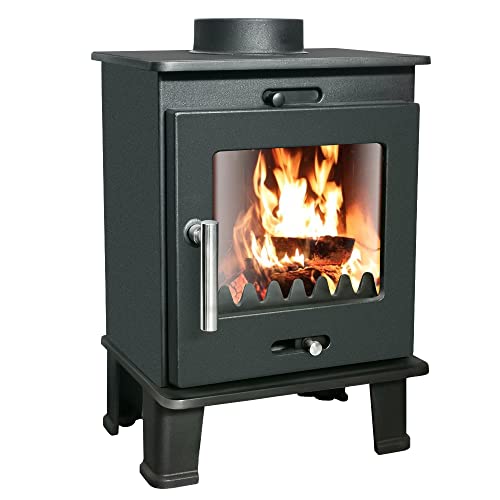
The cast iron wood burning stove is a warm, old-fashioned heating option that provides numerous advantages. It does not come without issues, however. Its heft limits portability, and the initial price is quite high.
It is important to employ an expert to install and any other required chimney work. They are knowledgeable about local codes, and they are aware of safe installation methods.
Versatility
When you purchase a cast iron wood stove, you're not limited to heating your home with it by itself. You can also use it in conjunction with a forced air furnace or heat pump to make your home more energy efficient and eco-friendly. This is particularly applicable if you have an extremely well-insulated house with a tight envelope of walls windows, doors and walls.
Cast iron wood stoves can be a fantastic source of heating for the whole house when paired with other green construction strategies such as passive solar heating or high-performance insulation. This is because a wood stove can be connected to your home's HVAC system by using a streamlined ducting strategy.
Some of the most sophisticated wood stoves on the market today can use pellets instead of logs. Pellet-burning stoves produce more heat while using less fuel. In fact, some stoves have efficiency ratings over 85 percent. They are also less polluting than wood stoves.
In recent times, manufacturers of cast iron stoves have begun to explore different materials, like steel. Steel is a combination of iron and, in many cases it's between 0.01-1.2 percent carbon. It also contains a variety of other metals, including manganese, silicon, aluminum, molybdenum vanadium, chromium cobalt Zirconium. Steel is lighter than cast iron which makes it a more convenient option for those who require a portable wood heater.
Steel stoves are generally less expensive than cast-iron models which makes them a great choice for budget-conscious home owners. However, many of these wood stoves do not have the heat retention and timeless charm of cast iron stoves.
Steel stoves can also warp when they are subjected to rapid changes in temperature. This could cause problems since it allows more air to get into the firebox, which can reduce the efficiency of the flame and creates an unsafe and volatile flame. Cast iron can withstand such extreme temperature changes without warping, allowing more air to enter the firebox. Jotul makes the best wood stoves made of cast iron available on the market. Their vast network of US and Canadian dealers can assist you in finding the right model for your needs.
Durability
When selecting a wood stove, it is important to take into consideration the durability of the stove itself. Stoves crafted using durable materials like steel and cast iron tend to have longer lifespans over stoves made of weaker materials, such as fiberglass or ceramic. Even the best wood burning stoves will eventually wear out if they aren't properly maintained.
Cast iron is a robust material. It can withstand high temperatures and rapid temperature changes without causing damage. Stoves crafted from cast iron can last for generations, although they require regular maintenance to keep them looking and operating at their peak. Steel stoves can break or warp over time when exposed to rapid temperature changes.
The US1261E cast-iron log wood stove manufactured by United States Stove Company shows how a high-quality, heavy-duty cast-iron stove can provide years worth of efficient heating at a low price. The 54,000 BTU power output of the stove can heat up to the equivalent of 900 square. ft. of space, which is ideal for log cabins, large workshops, garages, and other large spaces. The stove can accommodate logs as long as 19 inches, and it comes with an integrated cooktop that adds versatility.
Cast iron wood stoves are well-known for their heat retention. Cast iron sucks up heat and releases it slowly over a longer period of time, which helps maintain a stable room temperature. A cast iron stove is also a great option for those who prefer a traditional, rustic look in their home decor.
One of the most recent technological advancements in wood stove technology is the creation of pellet-burning stoves, which have become increasingly popular in homes across the country. These stoves utilize pellets instead of traditional wood. They are made of sawdust and other wood scraps that have been dried and pulverized before being pressed. These pellets are much more hygienic than wood and release far fewer harmful gases.
british wood burning stoves has all the appeal and durability of a traditional wood fireplace, but includes modern features to make it a more energy efficient and versatile heating option. The stove comes with a huge viewing area, a smaller depth to make installation easier, and a cast iron profile that holds warmth and heat after the fire has died down. The stove can also be fitted with doors that can be placed on the left or right side which makes it a great fit for a variety of rooms.
Convenience
Wood stoves are a great way of keeping your home warm in the winter. Cast iron wood stoves are constructed of thick, durable materials that will last for many years. You can enjoy the warmth they provide many years. A stove that has an efficiency rating that is higher will provide more heat to your home than the traditional fireplace. Some stoves have efficiency of more than 85 percent.
These stoves are efficient and are less polluting than traditional fireplaces and are more eco green. They also work with green home construction strategies and heating systems with ducted heating.
The most popular type of wood stoves that are available on the market are those made of steel, but cast iron is a favorite with consumers due to its beauty and durability. Cast iron can be molded into more elaborate designs than a stove made of steel, and it is available in a range of colors that can be matched to any style of decor. A lot of stoves have an antique look, while others are sleek and have contemporary artwork in cast iron.
Cast iron is a stronger material, which means it is less hot and holds heat longer than steel stoves. It also has a better distribution of heat which helps reduce hot spots in your living space. Some manufacturers offer cast iron wood burning stoves that have painted finishes, which can add to the aesthetic of your home.
Aside from the design, the most significant difference between cast iron and steel stoves is their weight. Steel stoves are lighter in weight which makes them easier to move around than cast iron models. It is crucial to hire professionals to install any stove, regardless of material. A professional will make sure that the stove is positioned in a safe and secure position.
A newer innovation in wood-burning stoves is development of pellet-burning stoves designed to burn a range of different materials like sawdust or bark, as well as other wood scrap that has been dried, pulverized, and compressed into small pellets. They are much easier to work with and manage than traditional logs and can be stocked from a hopper or put into the stove via an automatic hopper system.
Maintenance
Wood stoves have long been a popular choice for home heating. They are durable, long-lasting and easy to maintain. A high-quality cast iron wood-burning stove is an investment that will last for a lifetime. Wood stove owners should be aware of a few additional maintenance requirements.
The first step in wood stove maintenance is to empty the ash pan at the end of every use. When the ashes are cool spread them out on the hearth to stop the re-ignition of dormant embers in the wind. After a few hours, you should also apply a thin layer of ash on top of the hearth to insulate it naturally. It is important to always keep a one-eighth-to-one-quarter inch ash layer on the bottom of the stove. This helps with the burning of the wood, as well as acting as an effective barrier to keep insects and pests out.
A commercial masonry cleaner can be found at most hardware stores. It can be used to clean the stove. Follow the instructions of the manufacturer for use.
A chimney expert must inspect and clean the flue every year to prevent the accumulation. Creosote is a hazardous chemical that can lead to house fires. During this process the flue is checked for warping or cracks. The stove and flue also must be checked for leaks in joints, connections and connectors.
Checking and replacing the rope seal on the stove's door is a common maintenance item. If the seal becomes flat and loses shape, it can let fumes escape and must be replaced.
There are other actions that should be taken beyond basic wood stove maintenance, such as installing carbon monoxide detectors throughout the home and maintaining a safe distance between the fireplace and any combustible materials. A chimney sweep should be employed to inspect and clean your chimney frequently to minimize the chance that carbon monoxide will leak. This is particularly important for older stoves that are not maintained or operated properly. Regular cleaning inspections, inspections, and routine maintenance will improve the effectiveness and longevity of any wood stove.